BMR vs TDEE: What Is the Difference and Why It Matters

☰ Table of Contents
- BMR estimates energy needed for basic functions at complete rest
- TDEE estimates total daily use, including movement, exercise, and digestion
- Use TDEE—not BMR alone—as the usual starting point for calorie planning
- Both online results are estimates unless energy expenditure is measured
- Real-world trends help refine the calculated range
BMR and TDEE at a Glance
Basal metabolic rate (BMR) describes the minimum energy needed to maintain essential functions under strict resting conditions. Total daily energy expenditure (TDEE) includes that resting requirement plus the energy used for food processing and activity.
| Measure | Includes | Main use |
|---|---|---|
| BMR | Basic physiological functions at rest | Understanding resting needs |
| TDEE | Resting needs + food processing + all activity | Planning maintenance, loss, or gain |
What BMR Includes
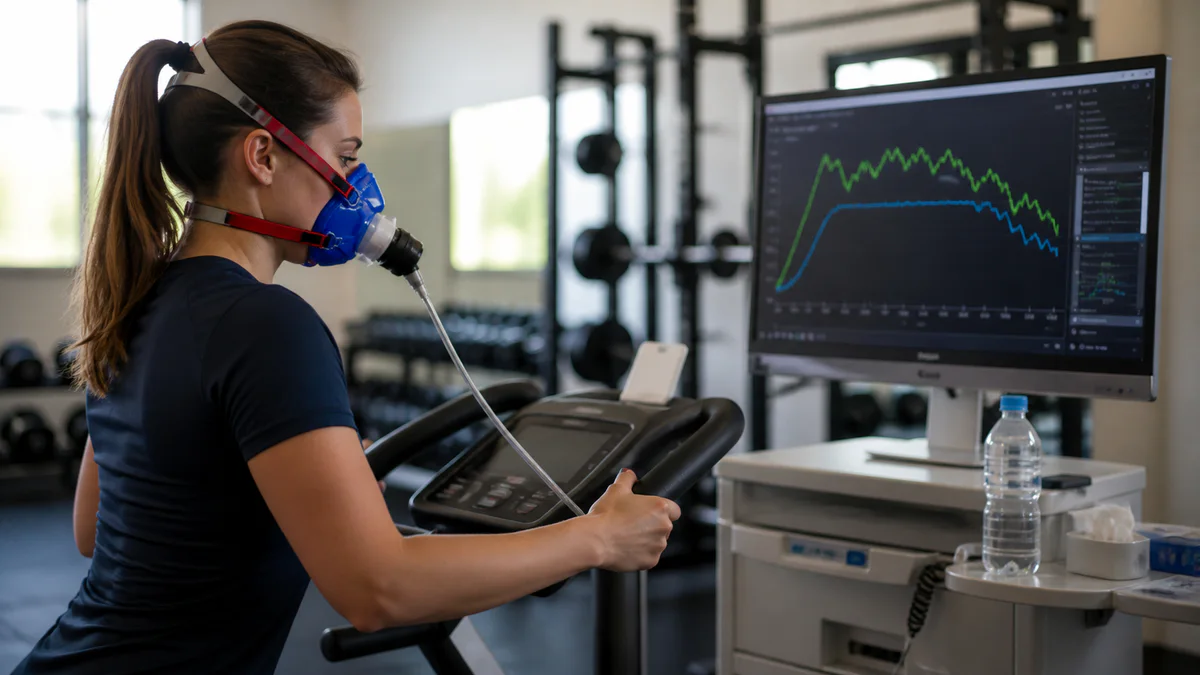
BMR supports breathing, circulation, temperature regulation, brain function, cellular repair, and other processes that continue at rest. It is measured under controlled conditions after fasting and rest.
Online “BMR” calculators predict this value from characteristics such as age, height, and weight. They do not measure it. Resting metabolic rate is a related measurement performed under less strict conditions.
What TDEE Adds
TDEE adds non-exercise movement, structured exercise, and the thermic effect of food. For many people, day-to-day movement varies more than resting expenditure and explains why two adults with similar bodies can have different maintenance needs.
Exercise devices and activity multipliers also estimate expenditure. Their output should be used as feedback, not treated as a calorie receipt.
A Simple Calculation Example
Suppose predicted BMR is 1,550 kcal per day. Applying an activity factor of 1.45 gives an estimated TDEE of about 2,248 kcal. The 698-calorie difference represents estimated activity and food-processing energy.
Eating 1,550 calories is therefore not “maintenance” just because it equals BMR. Maintenance is closer to TDEE, though the exact amount must be observed over time.
Which Number Should You Use?
Use TDEE as the normal starting point for daily calorie planning. Begin near it for maintenance, below it for loss, or above it for gain. Use a modest adjustment and evaluate the result.
BMR can provide context, but it is not a universal minimum intake rule. Nutrition adequacy and safe targets depend on the individual; a clinician or dietitian may prescribe something different for a medical reason.
Common BMR and TDEE Mistakes
- Using BMR as if it were total daily calorie use.
- Selecting an activity level based only on workouts while ignoring a seated job.
- Adding exercise calories when the TDEE multiplier already includes them.
- Believing a predicted value is exact to the final digit.
- Keeping the same target after major changes in weight or activity.
How to Improve the Estimate
Choose conservative activity inputs, track average intake and morning weight for several weeks, and look for a clear trend. If weight is stable, intake is likely close to current TDEE. If not, adjust in small steps.
Illness, menstrual-cycle changes, travel, sodium, and hard training can distort short windows, so avoid changing the plan after one or two unusual readings.
How to Apply This BMR vs TDEE Guide
When applying BMR vs TDEE, personal context matters: body size, lean mass, age, movement, training, food intake, environment, health, medicines, and weight change affect expenditure. A person’s current maintenance intake can therefore move over time even when the calculator inputs look similar.
A workable BMR vs TDEE plan should follow this principle: use the calculated value as a starting range and compare it with consistent intake and average weight trends over two to four weeks. Adjust gradually and re-estimate after a meaningful change in body weight, activity, life stage, or health.
For BMR vs TDEE, choose one primary outcome and use the same method long enough to see a meaningful pattern. Follow average weight, waist when relevant, hunger, energy, training, steps, and adherence. If the observed trend differs from the prediction, the real-world trend is more useful for planning than repeatedly selecting a different activity label.
The aim is not to follow every possible tip. It is to use the article’s main evidence—starting with “BMR estimates energy needed for basic functions at complete rest”—to make one realistic decision, observe the result, and adjust without losing sight of health, function, and sustainability.
Sources and Further Reading
- National Academies: energy expenditure and requirements
- NIDDK: Body Weight Planner
- VitalHealth Hub: TDEE explained
Ready to get a starting estimate? Try our free TDEE Calculator — instant and no sign-up needed.
Try Free Calculator →Important FAQs About BMR vs TDEE


Calories & Metabolism Quiz
How well do you understand calorie needs, TDEE, BMR, and the science of how your body burns energy?
Take Quiz →Nutrition Knowledge Quiz
How well do you understand macros, vitamins, and healthy eating? Test your nutrition IQ with 10 evid...
Take Quiz →