Hydration During Exercise: How Much Water Do You Need?
☰ Table of Contents
- For many shorter sessions, drinking to thirst and starting normally hydrated is adequate.
- Long hot sessions may require a planned balance of fluid and sodium based on sweat loss.
- Gaining body weight during endurance activity can indicate overdrinking and increased hyponatraemia risk.
- Start the session hydrated without forcing excess fluid.
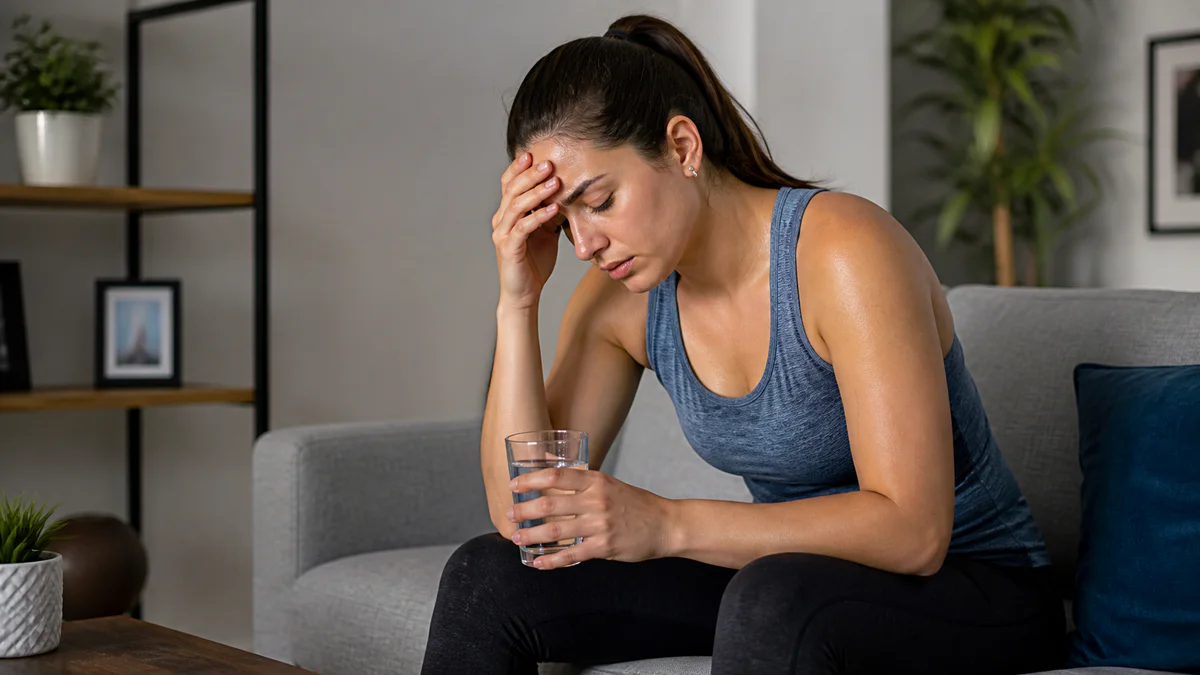
- Do not drink beyond sweat losses or ignore nausea, confusion, headache, and swelling.
Understanding hydration during exercise
Exercise fluid needs depend on session length, intensity, climate, clothing, body size, acclimatisation, and individual sweat rate.
In this article, hydration during exercise is used within a wider definition: hydration reflects the balance between fluid intake and losses through urine, sweat, breathing, and the digestive tract.
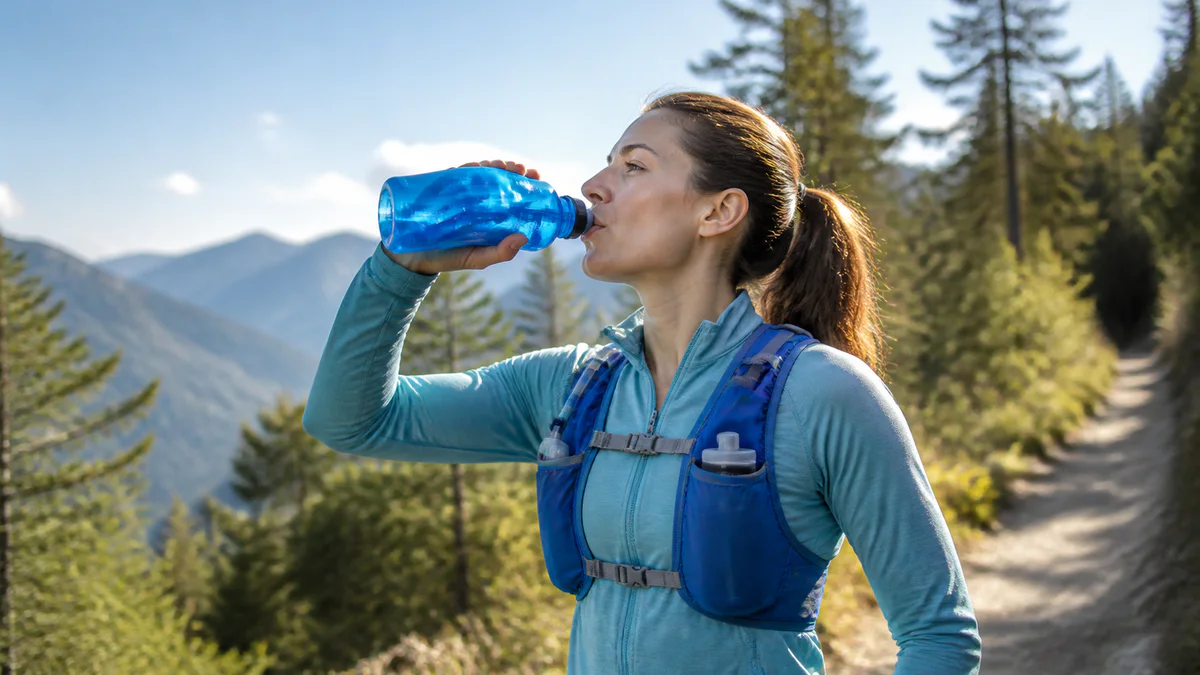
For many shorter sessions, drinking to thirst and starting normally hydrated is adequate.
Hydration during exercise: Evidence and Practical Meaning
The main influence on the answer
Long hot sessions may require a planned balance of fluid and sodium based on sweat loss. This detail changes how hydration during exercise should be interpreted and why one person’s experience cannot automatically predict another person’s outcome.
The limit behind the headline
Gaining body weight during endurance activity can indicate overdrinking and increased hyponatraemia risk. Keep that qualification beside the main claim; leaving it out would make the article sound more certain than the available information allows.
What the facts support
Taken together, these points support a measured approach: start the session hydrated without forcing excess fluid. They do not support ignoring the warning to do not drink beyond sweat losses or ignore nausea, confusion, headache, and swelling.
Factors That Change the Answer
Personal interpretation of hydration during exercise should account for this context: fluid needs depend on food moisture, sweat rate, activity, heat, altitude, illness, pregnancy, medication, and kidney or heart function.
The individual factors for hydration during exercise also include the following: sweat rate, clothing, activity duration, climate, food moisture, sodium losses, medicines, and access to breaks all influence what is practical and safe.
Before applying the guidance, identify which of these circumstances are present and whether they alter the starting assumption that for many shorter sessions, drinking to thirst and starting normally hydrated is adequate.
How to Apply This Information
1. Establish a reliable starting point
Start the session hydrated without forcing excess fluid. This step is designed to address the first key finding: for many shorter sessions, drinking to thirst and starting normally hydrated is adequate.
2. Make the next step workable
For prolonged exercise, compare before-and-after body weight to estimate net sweat loss. Drink regularly according to thirst and circumstances, include water-rich foods, and plan extra access during heat or prolonged activity.
3. Review before changing the plan again
Practise the fluid and electrolyte plan in training rather than first using it on event day. Use the review to test whether gaining body weight during endurance activity can indicate overdrinking and increased hyponatraemia risk. If the picture is still unclear, improve consistency or allow a more suitable observation period rather than changing several variables at once.
How to Monitor Progress
Progress on hydration during exercise should be assessed in this way: urine colour can offer a rough clue but is affected by supplements, foods, medicines, and the time of day.
For hydration during exercise, the review should show whether start the session hydrated without forcing excess fluid helped without creating the problem described in this caution: do not drink beyond sweat losses or ignore nausea, confusion, headache, and swelling.
If progress is unclear, revisit the evidence that long hot sessions may require a planned balance of fluid and sodium based on sweat loss. Then check measurement consistency, changing circumstances, and whether the plan was actually repeatable before making it more restrictive or difficult.
Common Mistakes and Important Limits
Do not overstate what the result proves
Do not drink beyond sweat losses or ignore nausea, confusion, headache, and swelling. That limit follows directly from the fact that for many shorter sessions, drinking to thirst and starting normally hydrated is adequate.
Avoid a shortcut that creates a new problem
Seek individual guidance for kidney, heart, endocrine, or medication-related fluid issues. A safer approach remains consistent with the practical recommendation to for prolonged exercise, compare before-and-after body weight to estimate net sweat loss.
One further limit applies specifically when using this hydration during exercise guidance: drinking beyond the body’s ability to excrete water can dilute blood sodium and become dangerous.
When to Seek Qualified Help
Individual advice about hydration during exercise is especially important in these situations: people with heart, kidney, or liver disease and anyone given a fluid limit should follow their clinical plan rather than a general hydration formula.
A separate safety boundary also applies to hydration during exercise: follow prescribed fluid limits rather than a general online formula.
When asking for individual advice about hydration during exercise, bring the relevant measurements, dates, symptoms, medicines, and a record of the attempt to practise the fluid and electrolyte plan in training rather than first using it on event day.
Sources and Further Reading
Ready to get a starting estimate? Try our free Water Intake Calculator — instant and no sign-up needed.
Try Free Calculator →