PCOS Symptoms: How to Manage Polycystic Ovary Syndrome Naturally

☰ Table of Contents
- Possible features include irregular ovulation, androgen-related symptoms, and polycystic ovarian morphology after other causes are considered.
- PCOS can affect fertility, glucose regulation, lipids, sleep, and emotional wellbeing.
- Management may include lifestyle support, cycle protection, fertility treatment, and medicines based on the goal.
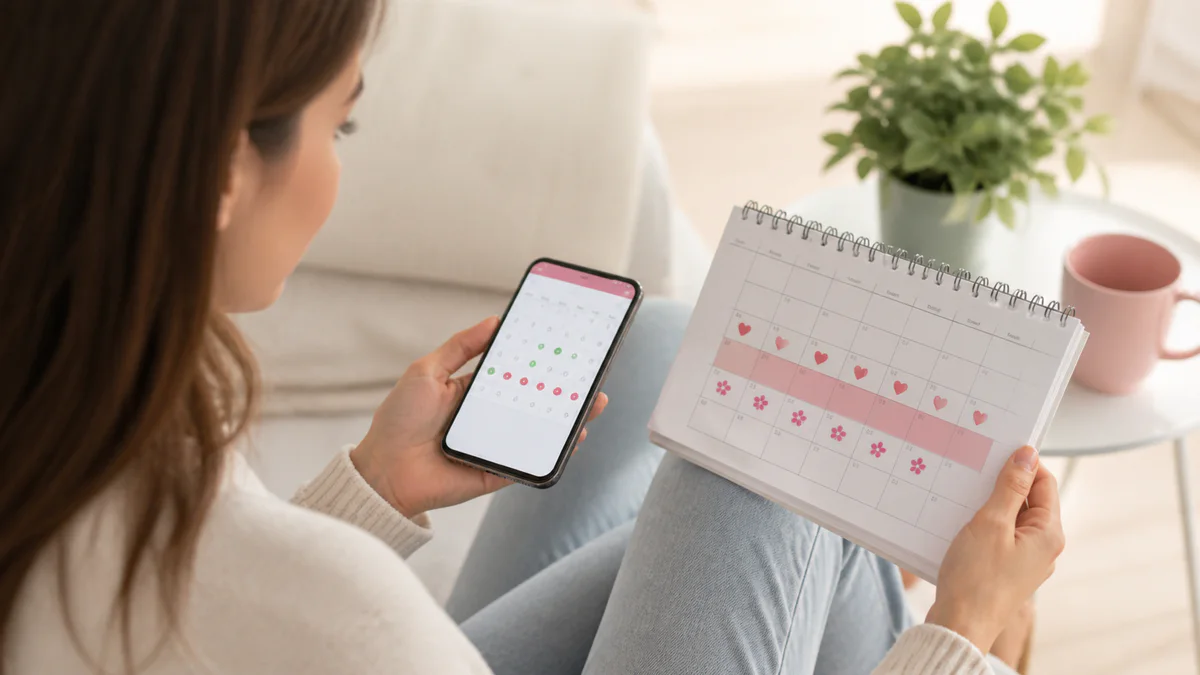
- Track cycles and symptoms and prepare medication and family history.
- Do not self-diagnose from acne, weight, or an ultrasound alone.
Understanding PCOS symptoms and management
Polycystic ovary syndrome is a hormonal and metabolic condition diagnosed from a clinical pattern—not from one symptom, ultrasound finding, or online quiz.
In this article, PCOS symptoms and management is used within a wider definition: symptoms and needs also vary within each stage, so a calendar, calculator, or broad hormone claim cannot provide a diagnosis.
Possible features include irregular ovulation, androgen-related symptoms, and polycystic ovarian morphology after other causes are considered.
PCOS symptoms and management: Evidence and Practical Meaning
The main influence on the answer
PCOS can affect fertility, glucose regulation, lipids, sleep, and emotional wellbeing. This detail changes how PCOS symptoms and management should be interpreted and why one person’s experience cannot automatically predict another person’s outcome.
The limit behind the headline
Management may include lifestyle support, cycle protection, fertility treatment, and medicines based on the goal. Keep that qualification beside the main claim; leaving it out would make the article sound more certain than the available information allows.
What the facts support
Taken together, these points support a measured approach: track cycles and symptoms and prepare medication and family history. They do not support ignoring the warning to do not self-diagnose from acne, weight, or an ultrasound alone.
Factors That Change the Answer
Personal interpretation of PCOS symptoms and management should account for this context: needs and symptoms vary with age, menstrual status, pregnancy, breastfeeding, medication, health history, and the individual pattern over time.
The individual factors for PCOS symptoms and management also include the following: age, menstrual pattern, pregnancy possibility, medicines, contraception, nutrition, training, sleep, health history, and fertility goals can all change interpretation.
Before applying the guidance, identify which of these circumstances are present and whether they alter the starting assumption that possible features include irregular ovulation, androgen-related symptoms, and polycystic ovarian morphology after other causes are considered.
How to Apply This Information
1. Establish a reliable starting point
Track cycles and symptoms and prepare medication and family history. This step is designed to address the first key finding: possible features include irregular ovulation, androgen-related symptoms, and polycystic ovarian morphology after other causes are considered.
2. Make the next step workable
Seek evaluation for diagnosis and screening of related risks. Support adequate food, sleep, and appropriate activity, then bring the pattern and specific questions to a qualified clinician when assessment is needed.
3. Review before changing the plan again
Choose nutrition and activity changes that are sustainable and not weight-stigmatising. Use the review to test whether management may include lifestyle support, cycle protection, fertility treatment, and medicines based on the goal. If the picture is still unclear, improve consistency or allow a more suitable observation period rather than changing several variables at once.
How to Monitor Progress
Progress on PCOS symptoms and management should be assessed in this way: judge progress by the goal: symptom control, regular cycles where relevant, safe pregnancy care, feeding outcomes, fertility evaluation, strength, sleep, or metabolic health.
For PCOS symptoms and management, the review should show whether track cycles and symptoms and prepare medication and family history helped without creating the problem described in this caution: do not self-diagnose from acne, weight, or an ultrasound alone.
If progress is unclear, revisit the evidence that pCOS can affect fertility, glucose regulation, lipids, sleep, and emotional wellbeing. Then check measurement consistency, changing circumstances, and whether the plan was actually repeatable before making it more restrictive or difficult.
Common Mistakes and Important Limits
Do not overstate what the result proves
Do not self-diagnose from acne, weight, or an ultrasound alone. That limit follows directly from the fact that possible features include irregular ovulation, androgen-related symptoms, and polycystic ovarian morphology after other causes are considered.
Avoid a shortcut that creates a new problem
Seek prompt care for very heavy bleeding, severe pain, pregnancy concerns, or acute mental-health risk. A safer approach remains consistent with the practical recommendation to seek evaluation for diagnosis and screening of related risks.
One further limit applies specifically when using this PCOS symptoms and management guidance: do not delay indicated evaluation or stop prescribed treatment for an unverified plan.
When to Seek Qualified Help
Individual advice about PCOS symptoms and management is especially important in these situations: use an obstetric, gynaecology, fertility, or primary-care professional for persistent symptoms, pregnancy concerns, severe pain or bleeding, or treatment decisions.
A separate safety boundary also applies to PCOS symptoms and management: severe pelvic or abdominal pain, very heavy bleeding, fainting, pregnancy warning signs, chest pain, severe breathlessness, postpartum mental-health crisis, or thoughts of self-harm require prompt local medical care.
When asking for individual advice about PCOS symptoms and management, bring the relevant measurements, dates, symptoms, medicines, and a record of the attempt to choose nutrition and activity changes that are sustainable and not weight-stigmatising.
Sources and Further Reading
Ready to get a starting estimate? Try our free Ovulation Calculator — instant and no sign-up needed.
Try Free Calculator →Important FAQs About PCOS symptoms and management


Women's Hormone Balance Quiz
How much do you know about female hormones, the menstrual cycle, and hormonal health? Test your know...
Take Quiz →Menstrual Health Knowledge Quiz
Test your knowledge of the menstrual cycle, common conditions, and how to optimise fitness around yo...
Take Quiz →