How Your Menstrual Cycle Affects Your Workouts and Energy
☰ Table of Contents
- 1. Understanding the menstrual cycle and fitness
- 2. The menstrual cycle and fitness: Evidence and Practical Meaning
- 3. Factors That Change the Answer
- 4. How to Apply This Information
- 5. How to Monitor Progress
- 6. Common Mistakes and Important Limits
- 7. When to Seek Qualified Help
- 8. Sources and Further Reading
- Research averages do not predict how every individual will feel or perform in each phase.
- Tracking can reveal a personal pattern in pain, bleeding, energy, sleep, and training.
- Adequate energy and iron are important when training, especially with heavy periods.
- Track symptoms and performance for several cycles.
- Do not assume women are weak or unable to train during menstruation.
Understanding the menstrual cycle and fitness
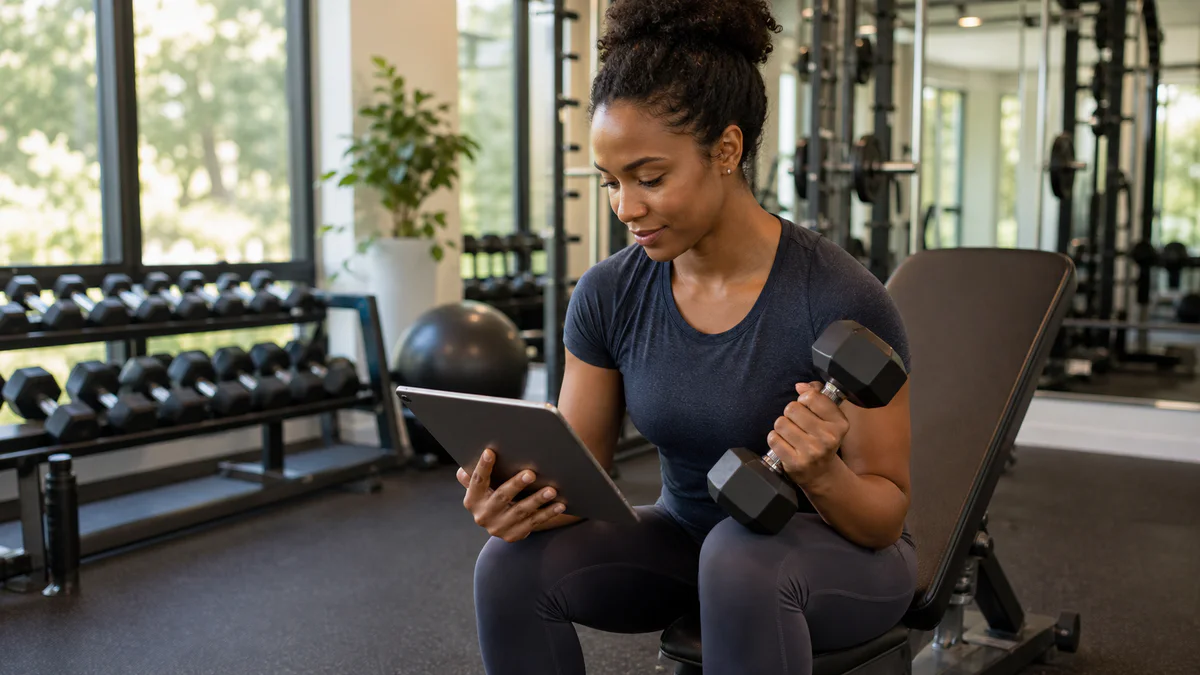
The menstrual cycle can affect symptoms, temperature, fluid, appetite, and perceived performance, but responses vary widely and do not require a universal phase-based training plan.
In this article, the menstrual cycle and fitness is used within a wider definition: women’s health guidance changes across puberty, reproductive years, pregnancy, postpartum recovery, breastfeeding, perimenopause, and later life.
Research averages do not predict how every individual will feel or perform in each phase.
The menstrual cycle and fitness: Evidence and Practical Meaning
The main influence on the answer
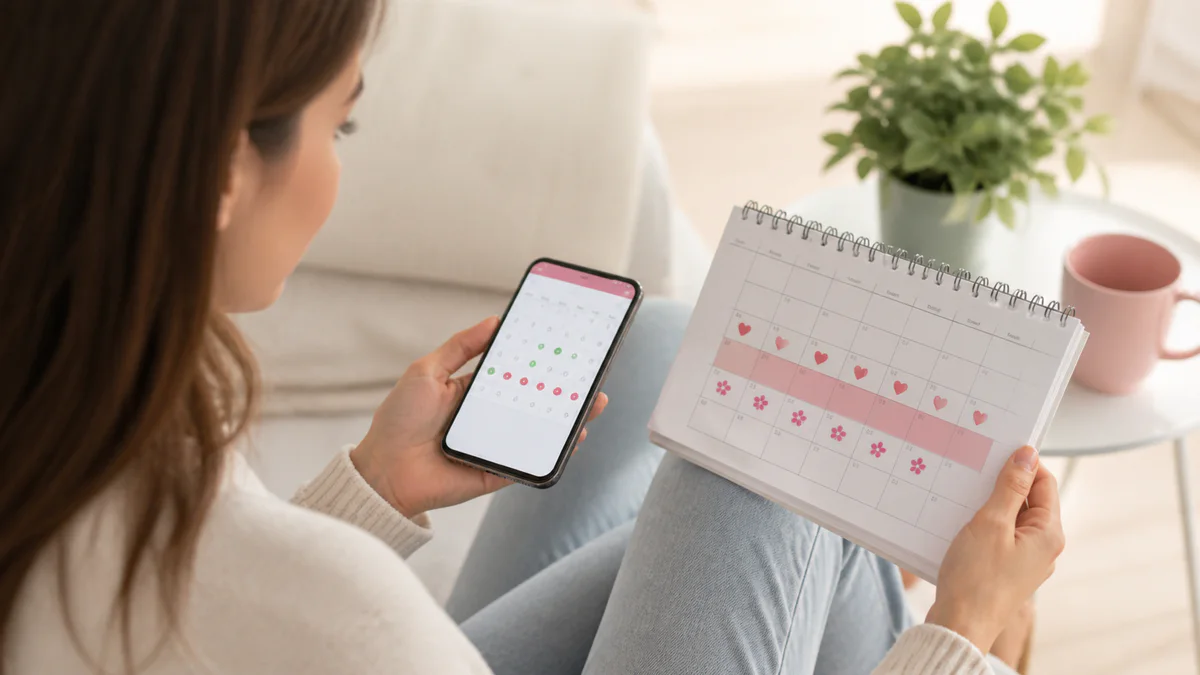
Tracking can reveal a personal pattern in pain, bleeding, energy, sleep, and training. This detail changes how the menstrual cycle and fitness should be interpreted and why one person’s experience cannot automatically predict another person’s outcome.
The limit behind the headline
Adequate energy and iron are important when training, especially with heavy periods. Keep that qualification beside the main claim; leaving it out would make the article sound more certain than the available information allows.
What the facts support
Taken together, these points support a measured approach: track symptoms and performance for several cycles. They do not support ignoring the warning to do not assume women are weak or unable to train during menstruation.
Factors That Change the Answer
Personal interpretation of the menstrual cycle and fitness should account for this context: needs and symptoms vary with age, menstrual status, pregnancy, breastfeeding, medication, health history, and the individual pattern over time.
The individual factors for the menstrual cycle and fitness also include the following: persistent change from a person’s usual pattern is often more informative than comparison with an idealised schedule.
Before applying the guidance, identify which of these circumstances are present and whether they alter the starting assumption that research averages do not predict how every individual will feel or perform in each phase.
How to Apply This Information
1. Establish a reliable starting point
Track symptoms and performance for several cycles. This step is designed to address the first key finding: research averages do not predict how every individual will feel or perform in each phase.
2. Make the next step workable
Adjust intensity when symptoms warrant while maintaining activity when comfortable. Track dates, symptoms, severity, medicines, and relevant life changes in a simple record.
3. Review before changing the plan again
Discuss heavy bleeding, severe pain, missed periods, or declining performance with a clinician. Use the review to test whether adequate energy and iron are important when training, especially with heavy periods. If the picture is still unclear, improve consistency or allow a more suitable observation period rather than changing several variables at once.
How to Monitor Progress
Progress on the menstrual cycle and fitness should be assessed in this way: weight alone does not show whether care is effective.
For the menstrual cycle and fitness, the review should show whether track symptoms and performance for several cycles helped without creating the problem described in this caution: do not assume women are weak or unable to train during menstruation.
If progress is unclear, revisit the evidence that tracking can reveal a personal pattern in pain, bleeding, energy, sleep, and training. Then check measurement consistency, changing circumstances, and whether the plan was actually repeatable before making it more restrictive or difficult.
Common Mistakes and Important Limits
Do not overstate what the result proves
Do not assume women are weak or unable to train during menstruation. That limit follows directly from the fact that research averages do not predict how every individual will feel or perform in each phase.
Avoid a shortcut that creates a new problem
Do not ignore absent periods or recurrent injury during high training and low energy intake. A safer approach remains consistent with the practical recommendation to adjust intensity when symptoms warrant while maintaining activity when comfortable.
One further limit applies specifically when using this the menstrual cycle and fitness guidance: “Hormone balance,” fertility foods, cycle syncing, and supplement protocols are frequently marketed with more certainty than the evidence allows.
When to Seek Qualified Help
Individual advice about the menstrual cycle and fitness is especially important in these situations: use an obstetric, gynaecology, fertility, or primary-care professional for persistent symptoms, pregnancy concerns, severe pain or bleeding, or treatment decisions.
A separate safety boundary also applies to the menstrual cycle and fitness: severe pelvic or abdominal pain, very heavy bleeding, fainting, pregnancy warning signs, chest pain, severe breathlessness, postpartum mental-health crisis, or thoughts of self-harm require prompt local medical care.
When asking for individual advice about the menstrual cycle and fitness, bring the relevant measurements, dates, symptoms, medicines, and a record of the attempt to discuss heavy bleeding, severe pain, missed periods, or declining performance with a clinician.
Sources and Further Reading
- Office on Women’s Health: Health topics
- HHS: Physical Activity Guidelines
- NIH Office of Dietary Supplements: Fact sheets
Ready to get a starting estimate? Try our free Ovulation Calculator — instant and no sign-up needed.
Try Free Calculator →Important FAQs About the menstrual cycle and fitness

Women's Hormone Balance Quiz
How much do you know about female hormones, the menstrual cycle, and hormonal health? Test your know...
Take Quiz →Menstrual Health Knowledge Quiz
Test your knowledge of the menstrual cycle, common conditions, and how to optimise fitness around yo...
Take Quiz →