100+ Free Health CalculatorsPractical Tools and Clear Guides20+ Interactive QuizzesEvidence-Based Health GuidesInstant Results — No Sign-Up RequiredDesigned for Clarity and Simplicity100+ Free Health CalculatorsPractical Tools and Clear Guides20+ Interactive QuizzesEvidence-Based Health GuidesInstant Results — No Sign-Up RequiredDesigned for Clarity and Simplicity
Instant Health Calculator

Testosterone Health Checklist

Enter your information to get a transparent educational result. Review lifestyle factors related to hormone health without inventing a testosterone level.

✓ Free Forever ✓ Science-Based ✓ Instant Results
Health Calculator Your Result Calculate Now

Enter Your Details

Fill in the fields below for instant results

⚕️
Medical Disclaimer

This tool is for informational purposes only. Always consult a qualified healthcare professional before making any health decisions.

Your Results Appear Here

Enter your details and click Calculate Results to see your personalized health analysis.

1Enter your details
2Click Calculate
3Get instant results

How to Use the Testosterone Health Checklist

  1. Step 1 — Age: Enter your age in the input field.
  2. Step 2 — Strength Training (days/week): Enter your strength training (days/week) in the input field.
  3. Step 3 — Average Sleep (hours): Enter your average sleep (hours) in the input field.
  4. Step 4 — Stress Level (1-5): Enter your stress level (1-5) in the input field.
  5. Step 5 — BMI Category: Enter your bmi category by selecting the option that best matches your situation.
  6. Step 6 — Alcohol Intake: Enter your alcohol intake by selecting the option that best matches your situation.
  7. Step 7 — Click Calculate: Press the Calculate button to instantly get your personalized results.
  8. Step 8 — Read Your Results: Your result will appear color-coded — green for healthy, yellow for borderline, red for at-risk ranges.
  9. Step 9 — Take Action: Use the personalized suggestion in your results to guide your next health steps. Consult a doctor for medical decisions.

Testosterone Health Checklist

Testosterone is the primary male sex hormone, though women also need it in smaller amounts. In men, it peaks in the late teens and declines about 1-2% per year after age 30. Low testosterone (hypogonadism) affects an estimated 10-40% of men over 45 and is associated with fatigue, reduced muscle mass, low libido, mood changes, and cognitive decline.

Lifestyle Factors That Affect Testosterone

Resistance training (especially compound lifts), adequate sleep (7-9 hours), stress management, maintaining healthy body weight, and limiting alcohol consumption all support healthy testosterone levels. Conversely, chronic stress, obesity, poor sleep, excessive alcohol, and sedentary behavior significantly suppress testosterone production.

Important: This estimator is for informational purposes. Only a blood test (preferably a morning sample) provides an accurate testosterone measurement.

Who Should Use the Testosterone Health Checklist?

This tool is intended as an educational estimate for people who understand the inputs and limitations described on this page. Whether it is appropriate depends on the calculation, your circumstances, and the decision you are trying to make.

Check the stated intended population before using the result. Children, pregnancy, diagnosed conditions, medicines, and unusual symptoms often require a different method or professional interpretation.

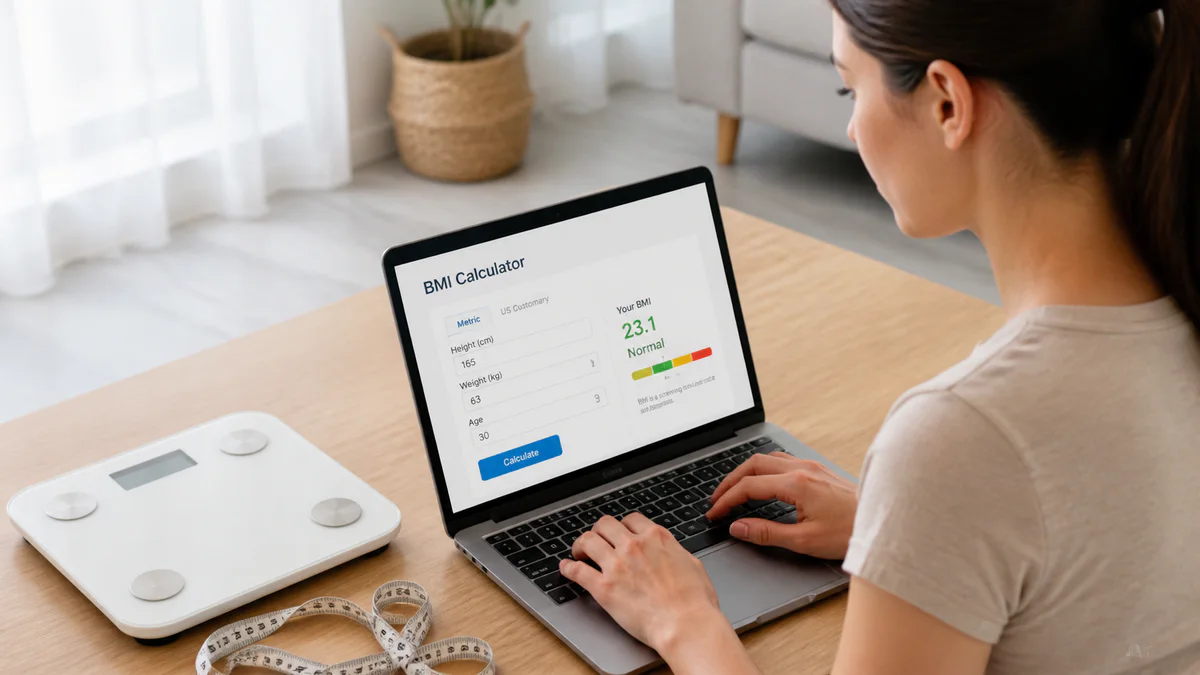
For a more complete health picture, pair this tool with our Healthy Aging Habit Checklist, BMI Calculator, Diabetes Risk Calculator — together they give you a multi-dimensional view of the metrics that matter most to long-term wellbeing.

Common Mistakes to Avoid

Getting accurate, actionable results from the Testosterone Health Checklist depends on more than entering correct numbers. These are the most common errors that reduce the usefulness of your output:

  • Relying on a single reading — repeated measurements over time reveal the trends that single data points cannot.
  • Ignoring broader health context — calculators provide general estimates, not clinical diagnosis. Consult a professional for medical decisions.
  • Entering inaccurate data — the quality of your results depends entirely on the accuracy of what you input.
  • Treating results as fixed — your health metrics shift as your lifestyle, age, and circumstances evolve. Re-test regularly.
  • Skipping professional validation — use this tool to prepare for, not replace, meaningful conversations with your doctor or dietitian.

Avoiding these pitfalls transforms this calculator from a one-time curiosity into a reliable instrument for genuine health monitoring and meaningful progress tracking over time.

Tips to Improve Your Testosterone Health Checklist

  • Annual blood work gives early warning signs of developing conditions.
  • A 5-10% weight loss can significantly reduce risk for metabolic diseases.
  • Quitting smoking is the single most impactful lifestyle change for disease prevention.
  • Regular physical activity reduces risk of type 2 diabetes, cancer, and heart disease.
  • Manage chronic stress through mindfulness, exercise, and social support.

Frequently Asked Questions About Testosterone Health Checklist

For adult men: 300-1000 ng/dL. Most laboratories consider below 300 ng/dL as low (hypogonadism).
Fatigue, low libido, reduced muscle mass, increased body fat, mood changes (irritability, depression), and reduced bone density.
Compound resistance training, adequate sleep (7-9h), stress reduction, maintaining healthy weight, zinc/vitamin D sufficiency, and limiting alcohol.
TRT is effective for clinically low testosterone but has side effects. It requires medical supervision and is not appropriate for everyone.
Yes, levels decline 1-2% per year after 30. By 70, most men have 30-50% lower testosterone than at peak levels.

Related Calculators You Might Find Useful

Explore More Health Tools & Insights

Deepen your knowledge with related articles, quizzes, and free tracking tools.

VitalHealth Hub health assistant chatbot
VitalHealth Assistant AI-powered health tools & insights

Quick actions

Educational purposes only — not medical advice. Always consult your doctor.